
Cloth Essentials
Understanding Fabric Fineness & Weight


What do those numbers on your swatch tag really mean?
When browsing through luxury suiting fabrics, you’ll often notice labels filled with numbers, abbreviations, and fabric terminology like “Super 130s” or “250g.” While these details may seem cryptic at first, they offer valuable insight into the performance, feel, and seasonal suitability of a cloth.
This guide breaks down two key factors: fineness and weight, helping you choose the right fabric whether you’re investing in everyday tailoring or a once-in-a-lifetime garment.
Fabric Fineness: What Is a “Super” Number?
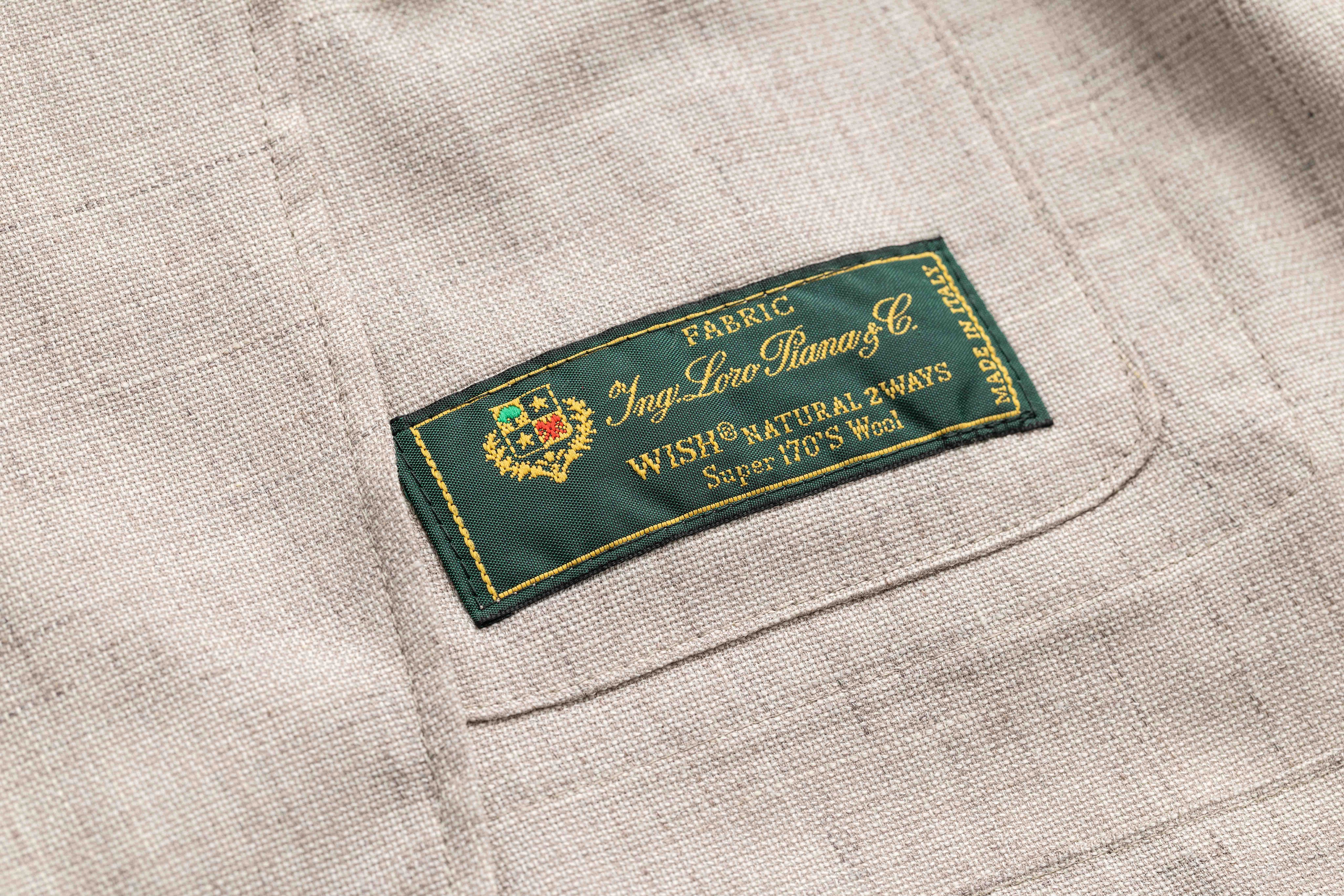
The Super number (e.g., Super 100s, Super 150s, etc.) refers to the fineness of the wool fiber used in the fabric. Technically, it indicates how many strands of yarn can be spun from one
kilogram of raw wool. The higher the number, the finer and softer the wool.
Super 100s–130s: Ideal for everyday wear. These offer a perfect balance between softness and durability.
Super 150s–180s: More refined and luxurious. Wonderful for special occasions like weddings, galas, or tuxedos due to their delicate nature.
Super 180s and beyond: Exquisite to touch, but not suitable for regular wear. Think heirloom-worthy garments.
For context, Super 100s wool has a diameter of about 18.75 microns, while Super 160s comes in under 16 microns. A single human hair, by comparison, is roughly 100 microns thick.
Single-Ply vs. Two-Ply Construction
“Ply” describes how many yarns are twisted together to create one thread. This subtle detail can
significantly influence the texture and performance of your fabric.
- Single-Ply: Lightweight, often softer, and well-suited to refined, warm-weather garments.
- Two-Ply (Doppio Ritorto): Yarns are twisted in pairs before weaving, offering a crisper hand feel and increased strength. This is considered superior for more structured, durable suiting.
Keep in mind: a higher Super number doesn’t always guarantee a better fabric. How the yarn is spun, woven, and finished all play vital roles in the overall character.
Fabric Weight: Seasonal Suitability & Performance
Fabric weight is typically measured in grams per meter (g/m) or ounces per yard, indicating how heavy and dense the cloth is. While fineness determines softness, weight gives you an idea of when and where the fabric will be most appropriate.
Here’s a general guide:
| Weight | Grams | Best Use |
|---|---|---|
| Super Lightweight | 175g–225g | Tropical climates, summer tuxedos, or extremely formal wear |
| Lightweight | 225g–250g | Spring/summer suits, warm weather events |
| Midweight | 250g–285g | Year-round versatility, three-season suiting |
| Heavyweight | 285g+ | Ideal for fall/winter, coats, and traditional English tailoring |
It's worth noting that fabric weight is influenced by weave density, finishing techniques, and fibre composition. A Super 150s fabric can be heavier than a Super 100s, depending on how it's
made.
Cultural Influence: English vs. Italian Mills
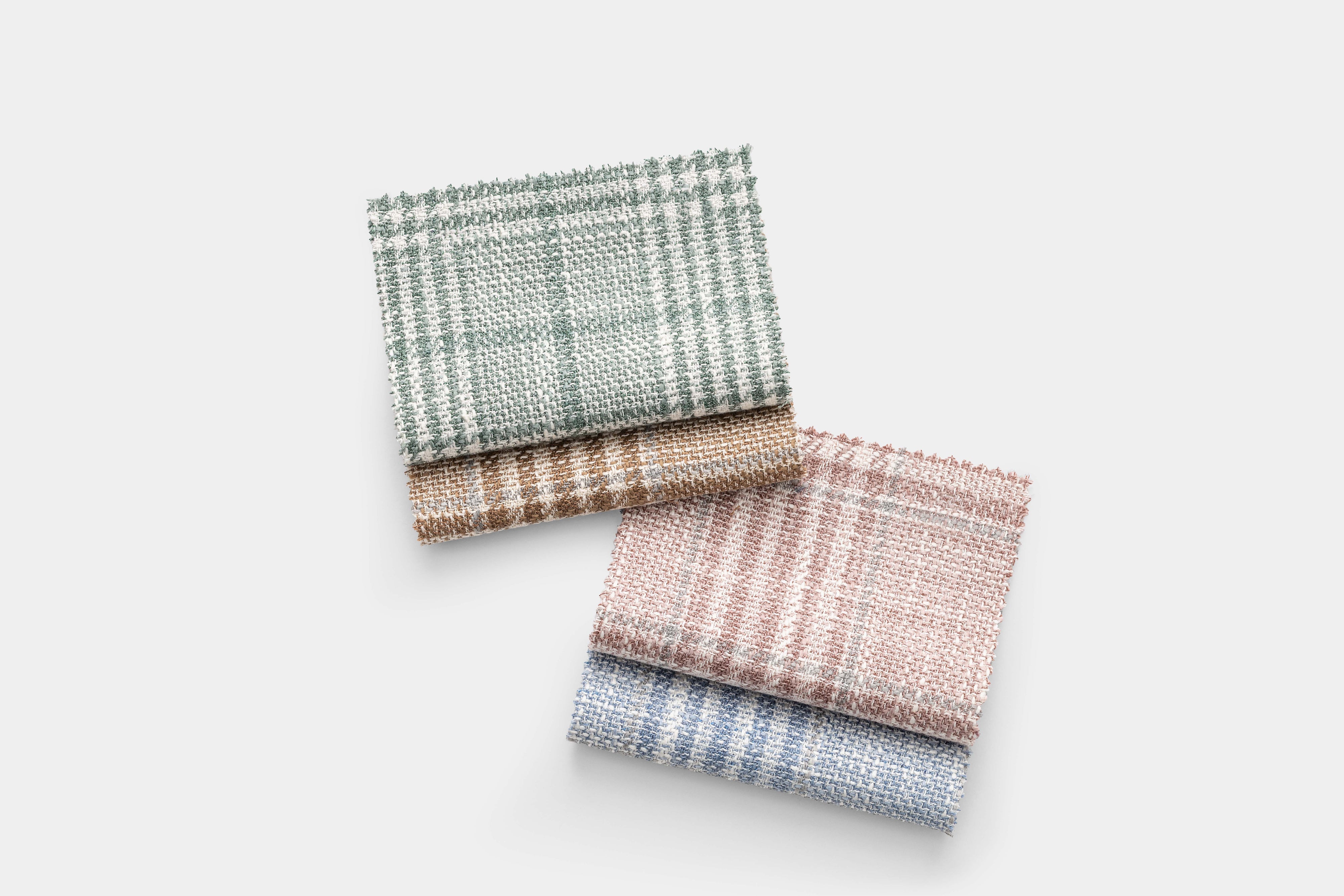
Fabric heritage also plays a role. English mills traditionally produce heavier, denser cloths, historically designed to retain warmth in colder climates. Italian mills—particularly those from the south—tend to favor lighter, more breathable weaves, born from Mediterranean summers and
sartorial flair. This cultural DNA remains present in today’s collections from both regions.
So, What Fabric Is Right for You?
That depends on your lifestyle, location, and wardrobe goals:
- For daily suits, consider Super 100–130s in mid-weight for longevity and ease.
- For formal events, opt for Super 150s+ in lightweight blends that offer elegance and softness.
- For year-round versatility, stick to mid-weight cloths (250g–280g) with a refined but robust finish.
- For cold climates, explore heavier flannels or English milled wool above 285g.
Final Thought:
Luxury tailoring isn’t just about what you see—it’s about what you feel. Understanding fineness and weight allows you to select cloth that doesn’t just look beautiful, but performs in harmony with your life.
By: Jason Smith
Dec. 1, 2025